Skip to content
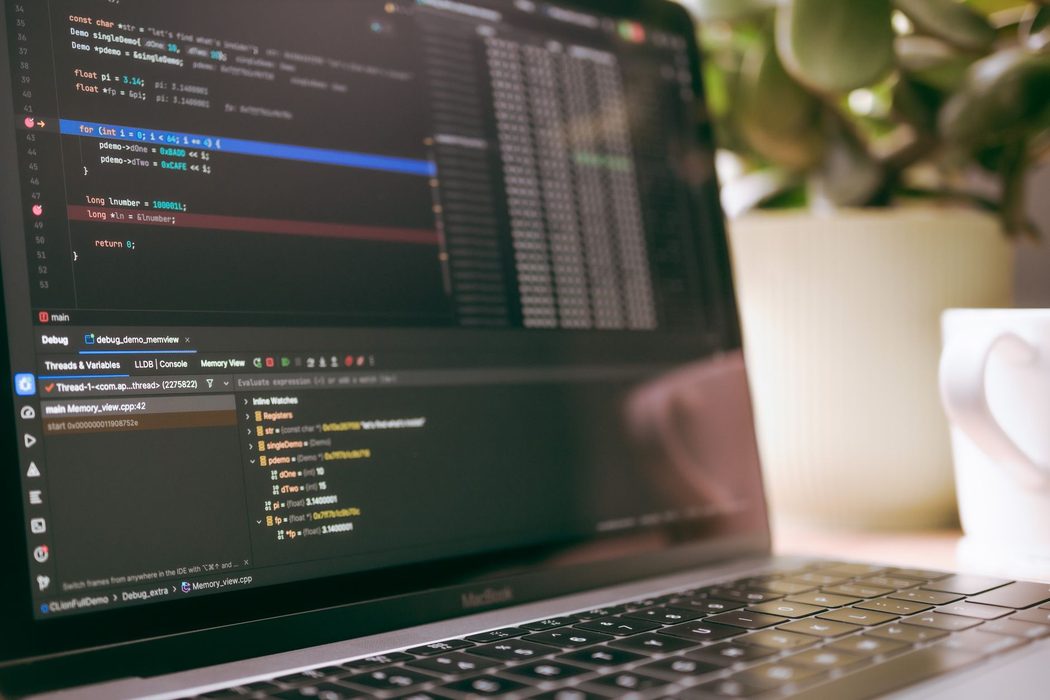
A MacBook on a desk with a terminal window open on screen
Plain terms, local view

Homebrew explained, for U.S. Mac users

Homebrew basics without the jargon. This homebrew guide covers what the tool installs on a Mac, where the files land, how updates reach you, and which parts of the process depend on your own hardware, permissions, and network here in the United States.

Formulae install command-line toolsCasks install Mac applicationsTaps are Git repositoriesA Brewfile lists packagesVersions follow MAJOR.MINOR.PATCHDependencies install firstFormulae install command-line toolsCasks install Mac applicationsTaps are Git repositoriesA Brewfile lists packagesVersions follow MAJOR.MINOR.PATCHDependencies install first
Start here

Homebrew explained, section by section

What is Homebrew, and what it is not

What is Homebrew? It is a package manager for macOS: a command-line tool that downloads software, records what it placed on disk, and can update or remove it later. This homebrew overview treats the tool as infrastructure rather than a product. Nothing here is sold or endorsed. The aim is that homebrew for beginners stops feeling like copied commands and starts making sense.

Formula or cask: which one installs what

A formula builds or fetches command-line software; a cask installs a ready-made Mac application bundle. Put homebrew formulae explained next to homebrew casks explained and the homebrew formula vs cask question gets simple: one fills your shell, the other fills your Applications folder. Both are plain text descriptions of where a download lives and what should happen to it afterward.

Where the packages actually come from

Homebrew repositories are ordinary Git repositories. A default set ships with the tool, and extra sources, called taps, are added by hand. With homebrew taps explained, it becomes clear why a package exists for one colleague and not another. For readers in the United States, download speed usually depends on the content-delivery node nearest your city rather than any national mirror.

Dependencies and package structure

Homebrew dependencies are declared, not guessed: each package names what it requires, and those requirements are installed before it. Homebrew package structure keeps every version in its own directory, then links the current one into the paths your shell already searches. Homebrew packages explained this way answer the common surprise of a small tool pulling in six others.

One list, many machines

Homebrew bundle explained in a sentence: it reads a plain text file and installs everything named in it. Homebrew brewfile explained a little further, that file is a checked-in list of formulae, casks, and taps, so a replacement Mac in a Chicago or Austin office can reach the same state without anyone recalling twenty separate commands.

Updates, versions, compatibility

How homebrew works during an update: it refreshes package definitions, compares version numbers, then rebuilds or redownloads whatever changed. Homebrew on macOS is tied to your OS release and to the command line developer tools, so an older Mac may receive a prebuilt binary, a compile from source, or a clear notice that a version is unsupported.

Sources, not slogans

What the documentation actually says

The project describes its own scope as installing the packages that the operating system does not ship — a description of purpose, not a promise.

brew.sh, Homebrew project home page

A version written as MAJOR.MINOR.PATCH carries meaning: a major increase signals changes that may break whatever already depends on the package.

Semantic Versioning 2.0.0, semver.org

The command line developer tools are a separate download from the full development suite, which is why a new Mac often needs them before anything compiles.

Apple Developer documentation, Command Line Tools
The long read

Homebrew explained, for a Mac in the United States

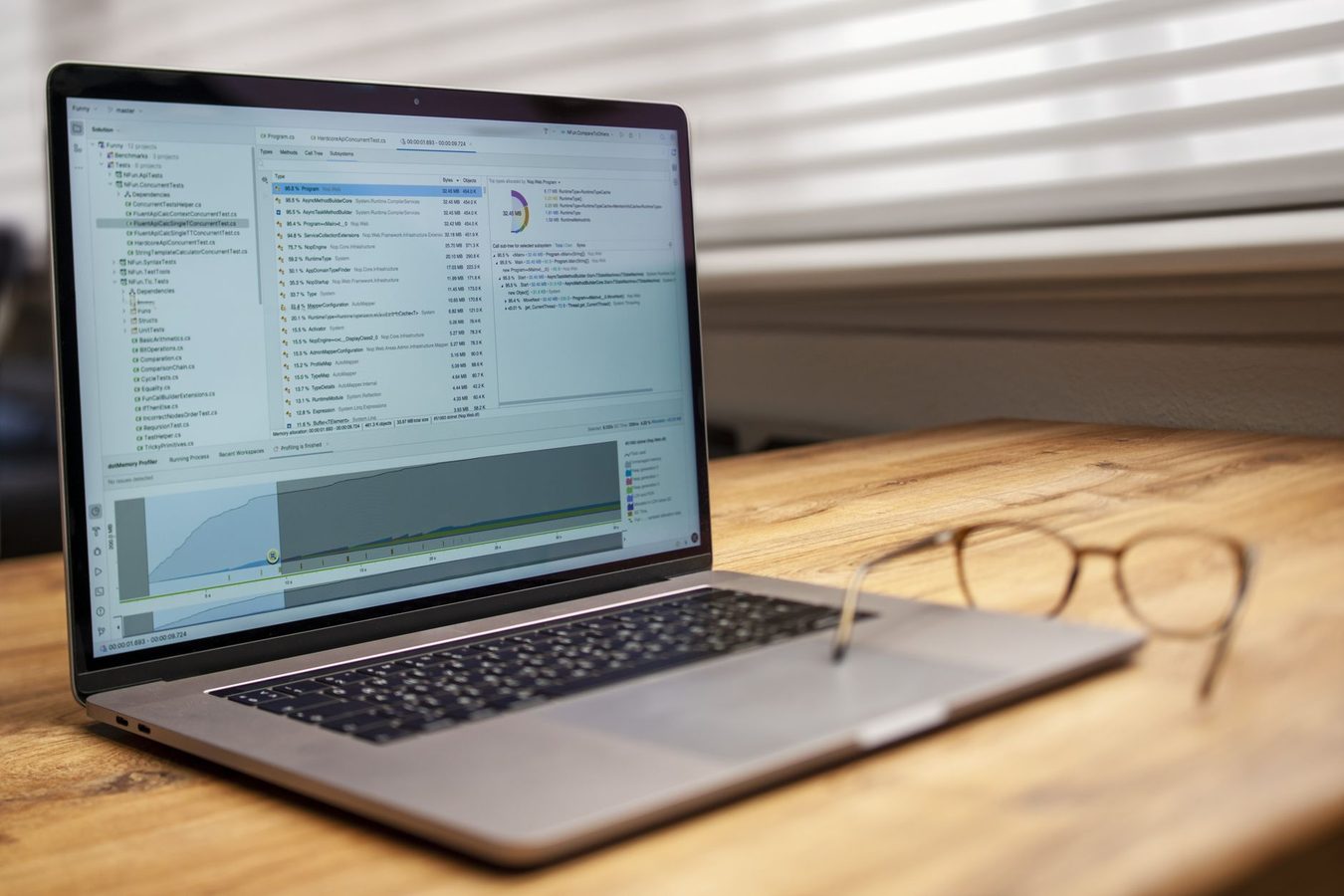
A laptop on a desk showing a terminal window filled with command line text
A terminal window on a laptop — where nearly all of this actually happens.

The long readUpdated September 2026

What is Homebrew, and what it is not

Ask ten Mac owners what is Homebrew and you will hear ten partial answers: a terminal thing, a way to get developer tools, something a coworker set up once and never explained. The accurate homebrew overview is narrower and calmer than any of them. Homebrew is a package manager — a program whose only purpose is to fetch, install, update and remove other software from the command line. It reads short description files, downloads the matching archive, unpacks it into one predictable directory, and creates links so your shell can find the result. There is no storefront, no account and no license check anywhere in that chain. Once homebrew basics are framed that way, most of the confusion drops away, because every later question turns out to be a question about where files go and who decides what gets downloaded.

It also helps to say what it is not. Homebrew is not made by Apple, is not part of macOS, and does not replace Software Update or the built-in application store. It will not patch the operating system, and it does not manage the frameworks your Mac shipped with. For homebrew for beginners, the most useful mental model is a very organized download manager with a memory: it records what it installed, from where, and at which version, so it can undo the same work later. That memory is the whole difference between a package manager and dragging a file into your Applications folder by hand, where nothing is recorded and nothing knows how to clean up after itself six months from now.

How Homebrew works on a Mac bought in the US

Explaining how homebrew works starts with a single directory called the prefix. On Apple silicon Macs — most of what has sold through US retail since late 2020 — that prefix is /opt/homebrew. On older Intel machines it is /usr/local. Inside sits the Cellar, where each package lives in its own versioned folder, next to a bin directory full of symbolic links pointing back into it. Your shell, zsh by default on current macOS, finds those commands because the prefix's bin directory has been added to your PATH. Nothing is scattered across the disk. If you want to know exactly what homebrew package management has put on your machine, you can open one folder and read it, and removing that folder removes very nearly everything it ever installed.

The downloads themselves matter to anyone on an ordinary US home connection. Most popular packages arrive as bottles: precompiled binaries served from a content delivery network with edge locations across the country, so a fetch from Denver or Atlanta usually comes from somewhere nearby rather than from a server overseas. When no bottle matches your macOS version, the source is compiled locally instead, which is why Apple's Command Line Tools are a prerequisite and why a first run can take a long while on a metered, rural or satellite link. On an employer-managed or campus Mac, a proxy or a device management profile often sits between you and that network, which is the most common reason a perfectly ordinary install stalls inside an American office.

Permissions are the other local sticking point. Homebrew deliberately avoids running as the root user, so the prefix is owned by your own account. That is clean on a personal Mac and messier on hardware issued by an employer, a school district or a hospital system, where the standard account may not be an administrator and where security tooling flags unfamiliar binaries. None of that makes homebrew on macOS unusable, but it changes the order of operations: confirm who owns the prefix, confirm whether the Command Line Tools are already present, and check whether your organization maintains an internal mirror before assuming the public one is reachable from your desk.

Homebrew formula vs cask, without the jargon

With the plumbing settled, homebrew packages explained comes down to two shapes. The first is the formula. Getting homebrew formulae explained properly means picturing a small text file written in Ruby: it names the project, points at a source archive, records a checksum, lists what else must be present, and gives the steps to build and install. Formulae mostly cover command line software — interpreters, compilers, converters, database engines, the small utilities you type rather than click. When a matching bottle exists, none of those build steps actually run on your Mac; the prepared binary is unpacked instead, and the formula simply stands as the record of how that binary was produced and what it needs.

The second shape is the cask. Homebrew casks explained: a cask describes a finished graphical application that its publisher already packaged as a .dmg or .pkg, the kind of file you would normally download from a website and drag into place. Homebrew does the dragging, records the version, and knows which folder and preference files to remove later. macOS still applies its own checks; the quarantine attribute and notarization work exactly as they would otherwise. So the practical homebrew formula vs cask distinction is not difficulty but destination: formulae land inside the prefix and are linked onto your PATH, while casks land in your Applications folder like any other Mac program.

In daily use the command is the same for both and the catalog is searched in one place, so the distinction only surfaces when something behaves oddly — a name that exists in both shapes, an application that refuses to move because a copy was installed by hand, or an uninstall that leaves settings behind because the cask never described them. Reading the description for a package before installing it takes a few seconds and tells you which shape you are dealing with, what it depends on, and where its files will land. That habit is most of what separates a frustrating afternoon from a boring, successful one.

Taps, dependencies, and one file that rebuilds a Mac

Where do all those descriptions live? In homebrew repositories — ordinary Git repositories holding description files, not the software itself. The default one carries the core catalog, and homebrew taps explained is simply the act of adding another: you point at a repository, it is cloned onto your disk, and its packages become installable alongside the rest. Companies, open source projects and individuals all publish them. Because a tap is just a Git remote, the same caution applies as with any code you invite onto a machine: look at who maintains it and how recently it changed. Some US universities and larger employers also keep internal mirrors of the core repository, so a lab full of Macs is not pulling identical files over the campus link.

Almost nothing installs alone. Homebrew dependencies are declared inside each description file and resolved into a graph before a single byte is downloaded, which is why asking for one small tool can quietly pull in a compression library, a networking library and a scripting runtime. Build-time requirements are separated from run-time ones, so a bottled package usually skips the former entirely. This is where homebrew package structure earns its keep: every dependency sits in its own versioned Cellar folder, shared by everything that needs it, and some are marked keg-only, meaning they are installed but never linked onto your PATH so they cannot collide with an older version macOS already provides.

Finally, the part that makes a second machine painless. Homebrew bundle explained: a companion command that reads a plain text manifest and installs everything listed in it. Homebrew brewfile explained is simpler still — the manifest is a file named Brewfile, one line per tap, package or application, and it can be generated from whatever is already installed. Keep it with your notes or in a private repository and a replacement Mac, a household's second laptop, or a new teammate's setup three time zones away becomes one command and a wait, rather than an afternoon of trying to remember. It doubles as an honest inventory the next time someone asks what is actually on the machine.
What we cover

Homebrew explained, section by section

Package manager overview

A plain homebrew overview: what the tool does, where it sits beside the software your Mac already ships with, and how people typically use it locally. Start here if the question what is Homebrew has come up at work and you want homebrew basics before opening a terminal.

Formulae and casks

How homebrew works once you run an install command, with homebrew formulae explained alongside casks. Covers the homebrew formula vs cask question, which one lands in your Applications folder, why a single command handles both, and what each records for later removal.

Taps and repositories

Homebrew taps explained as what they really are: Git repositories of description files. How the core catalog is organized, how third-party homebrew repositories are added and removed, and why some US campuses and employers run internal mirrors of the same content.

Dependencies and structure

Homebrew dependencies rarely arrive one at a time. This section follows the resolution order, the difference between build and runtime requirements, and the homebrew package structure inside the Cellar, including keg-only packages that stay off your PATH on purpose.

Installing on macOS locally

A step-by-step homebrew guide to installation: prerequisites, the Command Line Tools download, administrator rights on a managed Mac, and which prefix path applies to Apple silicon versus the Intel hardware still in service across the United States.

Bundle and Brewfile

Homebrew bundle explained together with the manifest it reads. Homebrew brewfile explained line by line: how to generate one from a machine you already trust, and how a household or a small team keeps two Macs describing the same setup.

Updates and compatibility

What an update actually changes, how versions are tracked, and what tends to happen when a new macOS release lands in the fall. Practical homebrew package management notes for anyone who updates rarely and then updates everything at once.

Key facts

A short homebrew guide to the words that keep coming up

Prefix
The single directory Homebrew owns: /opt/homebrew on Apple silicon Macs, /usr/local on Intel ones. Everything it installs lives beneath that path, which is why deleting the prefix comes close to a complete uninstall.
Cellar
The folder inside the prefix where each package sits in its own versioned directory. Links in the prefix's bin folder point back into it, so more than one version can exist while only one is active.
Bottle
A precompiled binary built for a specific macOS release and chip. When one matches your Mac, installing means downloading and unpacking rather than compiling locally, which is why most installs finish in seconds instead of minutes.
Tap
An extra source repository added to your machine. A tap holds description files only; the software itself still downloads from wherever those files point. Removing a tap does not remove packages already installed from it.
Dependency graph
The ordered set of packages a single request pulls in. Homebrew dependencies are read from each description file before anything downloads, so the full list can be inspected first rather than discovered halfway through.
Keg-only
A package installed on purpose but never linked onto your PATH, usually because macOS already provides an older version of the same tool. It stays available at an explicit path for anything that asks for it.
Brewfile
A plain text manifest listing taps, command line packages and applications, one per line. It can be generated from what is already installed and replayed on another Mac to reproduce the same set.
Command Line Tools
Apple's compiler and header package, downloaded separately from the operating system. It is required to build anything from source, and it is large enough to plan around on a slow or metered home connection.

Read it in order, or jump straight to what broke

Every topic here stands on its own, but they were written to be read in sequence: what the tool is, what it installs, where the files come from, and what changes when macOS updates.